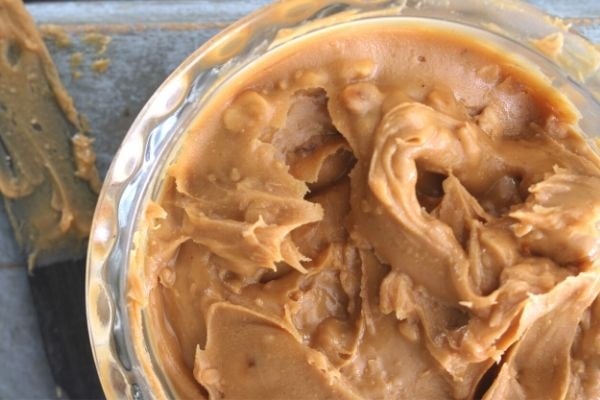
Why Make 2-Ingredient Peanut Butter? Better Than Store-Bought!
Imagine a spread so rich, so creamy, and so intensely peanut-flavored that it transforms your toast, enriches your smoothies, and elevates your baking to new heights. Now, imagine achieving this perfection with just two simple ingredients and a fraction of the cost of its store-bought counterparts. This isn't a dream; it's the reality of making
homemade two ingredient peanut butter. While the grocery store shelves are laden with options, a homemade jar promises a purity, freshness, and customizability that simply can't be matched. Say goodbye to hydrogenated oils, added sugars, and emulsifiers, and prepare to embark on a culinary journey that delivers superior taste and undeniable health benefits.
The Unbeatable Benefits of Homemade Peanut Butter
Choosing to
make peanut butter at home isn't just a fun kitchen experiment; it’s a conscious decision to prioritize taste, health, and value. The advantages extend far beyond mere convenience.
A Pure, Wholesome Taste You Control
The most immediate and striking difference you’ll notice with homemade peanut butter is its unparalleled flavor. When you use only perfectly roasted peanuts and a touch of salt, the natural, nutty essence of the peanuts shines through without any artificial interference. Store-bought versions, even those labeled "natural," often contain added sugars to boost sweetness, or palm oil to improve texture. With your own batch, you dictate the roast level of the peanuts – from lightly toasted for a delicate flavor to deeply roasted for an intense, robust profile – and the precise amount of salt, allowing you to craft the
best homemade peanut butter tailored exactly to your palate. The result is a vibrant, fresh taste that makes every spoonful a delight.
Healthier for You and Your Family
One of the most compelling reasons to choose
homemade two ingredient peanut butter is its superior nutritional profile. Commercial peanut butter often includes a laundry list of extra ingredients designed to extend shelf life, prevent oil separation, or enhance flavor artificially. Common culprits include:
* **Added Sugars:** High fructose corn syrup, molasses, or other sweeteners contribute empty calories.
* **Hydrogenated Oils:** Partially or fully hydrogenated oils (like palm oil or rapeseed oil) are often used as stabilizers to create that perfectly uniform, non-separating consistency. These can contain trans fats, which are detrimental to heart health.
* **Emulsifiers and Preservatives:** Mono- and diglycerides, along with other chemical additives, prevent oil separation and prolong freshness, but add unnecessary components to your diet.
By contrast, your simple homemade version contains nothing but heart-healthy monounsaturated fats, protein, and fiber naturally found in peanuts, plus a hint of salt. This makes for a cleaner, healthier spread that you can feel good about feeding to your family. It’s also an excellent option for those managing dietary restrictions, as it's naturally gluten-free and vegan. Learn more about the advantages in our article
Homemade Peanut Butter: Cheaper, Cleaner, and Just 2 Ingredients.
Surprisingly Cost-Effective
While individual jars of store-bought "natural" peanut butter can seem affordable, the cost per serving often adds up, especially for quality brands. Raw peanuts, particularly when purchased in bulk from health food stores or online, are significantly less expensive than pre-made peanut butter. The small investment in a bag of raw peanuts yields multiple jars of premium quality spread, offering substantial savings over time. Consider how much peanut butter your household consumes, and you’ll quickly see how economical this simple homemade approach can be.
Deconstructing the "Two Ingredients": What You Need to Know
The magic of this
simple homemade peanut butter recipe lies in the quality and preparation of its minimal components.
The Star: Raw Peanuts
The foundation of truly exceptional peanut butter is, naturally, the peanuts themselves. For optimal results, always opt for
raw, unsalted, unroasted peanuts. While it might seem convenient to buy pre-roasted nuts, these often come with hidden additives like oils, extra salt, or even starches and spices that can compromise the purity and flavor of your final product. Roasting peanuts yourself is a crucial step that releases their natural oils, making them easier to blend into a creamy consistency and unlocking a depth of flavor that pre-roasted options simply can't match.
When selecting peanuts, you might encounter different varieties: Valencia, Runner, Virginia, and Spanish. While any can technically work, **Runner peanuts** are the traditional choice for peanut butter due to their ideal size and consistent roasting qualities, which contribute to a wonderfully smooth texture and rich flavor. However, feel free to experiment with what’s available or preferred; Virginia peanuts, for example, are larger and can yield a slightly different texture. For those looking to save time and reduce mess, consider purchasing blanched raw peanuts. These have already had their skins removed, skipping an optional but sometimes tedious step.
The Pinch: Salt's Role
The second ingredient is equally simple: salt. While entirely optional, a small pinch of salt acts as a flavor enhancer, balancing the inherent sweetness of the peanuts and elevating their nutty profile. Start with a conservative amount – perhaps a quarter to a half teaspoon per cup of peanuts – and adjust to your preference. Fine sea salt or kosher salt are excellent choices, dissolving easily and providing a clean, bright salinity. Avoid heavily iodized table salt, which can sometimes impart a metallic aftertaste.
Your Step-by-Step Guide to Perfect Peanut Butter
Crafting your own
creamy peanut butter is remarkably straightforward, requiring only a few steps and a powerful kitchen appliance.
Step 1: Roasting for Flavor and Flow
Even if you’ve purchased blanched peanuts, roasting is a non-negotiable step. This process isn't just for flavor; it's essential for coaxing out the natural oils that transform dry peanuts into a luxurious spread.
Spread your raw peanuts in a single layer on a baking sheet. Roast them in a preheated oven at **325ºF (165ºC)** for approximately **7-10 minutes**. Keep a close eye on them, as they can burn quickly. You'll know they're ready when your kitchen is filled with a wonderfully nutty aroma and the peanuts have taken on a light golden hue. The warmth also makes the skins (if present) easier to remove. Once roasted, allow the peanuts to cool completely before proceeding. This prevents overheating your blender or food processor and ensures a smoother blend. For an in-depth guide to achieving the perfect roast, consult
Mastering 2-Ingredient PB: Roasting Peanuts for Perfect Creaminess.
Step 2: To Peel or Not to Peel? (Optional)
If you started with unblanched peanuts, this is your optional skin-removal step. While the skins contain beneficial fiber and antioxidants, they can impart a slightly bitter taste and result in a darker, less smooth peanut butter. If you prefer a truly silken, classic texture, peeling is recommended.
Once the roasted peanuts are cool enough to handle, an effortless way to remove the skins is to place them in a clean kitchen towel, gather the corners, and gently rub or scrunch them together. The skins will loosen and fall off. You can also rub them between your palms. Collect the peeled nuts, discarding the skins. If you don't mind a rustic, slightly coarser texture and a deeper flavor, you can certainly leave the skins on!
Step 3: The Blending Transformation
This is where the magic truly happens! Transfer your cooled, roasted, and (optionally) peeled peanuts to a sturdy food processor or a high-speed blender. Add your pinch of salt.
Begin to blitz the peanuts. Be patient, as the process takes several minutes and goes through distinct stages:
1. **Crushed:** Initially, the peanuts will break down into coarse crumbs.
2. **Flour/Meal:** As you continue blending, they'll become a fine, flour-like meal.
3. **Pasty:** The natural oils will begin to release, forming a thick, pasty butter that might seem dry.
4. **Creamy:** Keep blending! The mixture will transform into a smooth, creamy, and spreadable consistency.
5. **Runny:** The longer you process, the more oils are released, resulting in a thinner, more pourable peanut butter.
During this process, it's crucial to periodically pause your machine, especially if it's getting warm, and use a spatula to scrape down the sides of the bowl. This ensures all the peanuts are evenly processed and prevents your appliance from overheating. The total blending time can vary significantly, from 3-5 minutes for powerful blenders to 10-15 minutes or more for food processors, depending on your machine and desired consistency. For chunky peanut butter, you can reserve a quarter cup of roasted peanuts and pulse them in briefly at the end of the blending process, or simply stop processing earlier when it reaches your preferred level of chunkiness.
Beyond the Jar: Versatility of Your Homemade Spread
Once you’ve experienced the unparalleled taste and purity of your
homemade two ingredient peanut butter, you'll find countless ways to enjoy it. Beyond classic sandwiches and fruit dips, this pure spread is perfect for baking. It forms the base for wonderfully simple desserts, like the famous 2-ingredient peanut butter cookies (just add powdered sugar!). Its natural richness also makes it an excellent addition to savory sauces, dressings, and marinades.
Making your own peanut butter is more than just a recipe; it's an empowering act of culinary self-sufficiency. It's about taking control of your ingredients, savoring superior flavor, and enjoying a healthier, more cost-effective staple. So, ditch the store-bought jar and discover the simple pleasure and profound satisfaction of crafting your own perfect, two-ingredient spread. Your taste buds, and your body, will thank you.